
Free affordability check
How Much Can I Borrow for a Mortgage?
Most lenders work around four to four and a half times income, but the more useful question is what counts as income. Overtime, bonuses and shift enhancements are treated very differently from one lender to the next.
Every lender starts from an income multiple, and most sit between four and four and a half times your annual income. A handful stretch further for certain professions or higher earners. But the multiple is the least interesting part of the calculation.
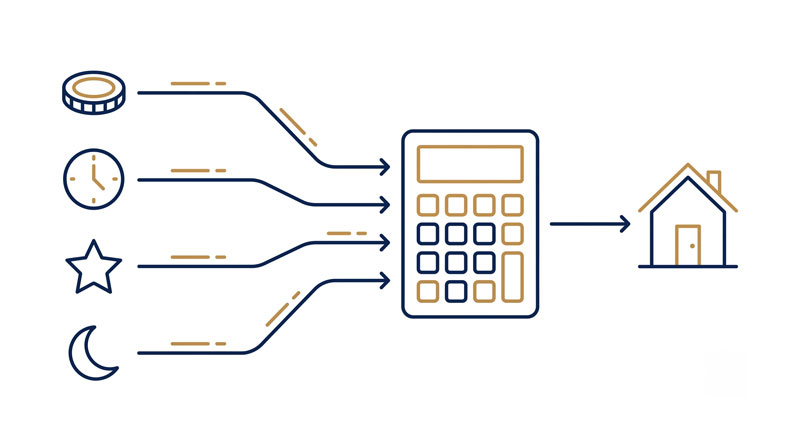
The question that actually decides your number is what the lender agrees to call income. Basic salary always counts in full. Everything else, the overtime, the bonus, the shift enhancement, the second job, is assessed differently by every lender on the market. This is why two banks can reach figures tens of thousands of pounds apart from an identical set of payslips, on the same day, without either of them doing anything unusual.
Always Counted in Full
- Basic salary
- Guaranteed contractual allowances
- London or regional weighting
Varies Sharply by Lender
- Overtime and bonuses
- Shift and unsocial hours enhancements
- Bank and agency shifts
- Second jobs and freelance income
- Commission
Lenders run an affordability assessment as well as an income multiple, and the affordability test is where outgoings bite. A car finance agreement with eighteen months left can reduce your borrowing by considerably more than the outstanding balance, because the lender counts the monthly commitment rather than the debt. If you are within a few months of clearing something, it is often worth waiting.
Childcare is the other figure people forget to mention. It is a genuine monthly commitment and lenders will ask about it, so include it honestly from the start rather than having it surface at underwriting and reset the whole conversation.
Deposit Changes the Answer Too
Your deposit does two things at once. It reduces the amount you need to borrow, and it moves you into a better loan to value band, which usually improves the rate you are offered. The bands matter more than the pounds. Crossing from above ninety percent to below it, or from above eighty five to below, can change your pricing noticeably.
Five percent is the practical minimum for most buyers. Ten percent widens the lender choice considerably. Between fifteen and twenty five percent you are into the sharpest pricing available to residential borrowers. We will show you the same purchase at two or three deposit levels so you can decide whether saving longer is genuinely worth it, or whether another year of rent costs more than it saves.

How Much Can I Borrow: FAQs
Is an online calculator accurate?
It is a starting point rather than a final answer. Most calculators multiply basic salary and ignore overtime, bonuses and shift enhancements, so the real figure is often higher once a lender who counts them properly is used.
Does my partner's income count too?
Yes. On a joint application both incomes are assessed, along with both sets of outgoings and both credit files.
Will checking my borrowing affect my credit score?
No. Our free assessment involves no credit check at all. A hard search only happens when you decide to proceed with a full application.
What if I am self employed?
Lenders work from accounts or tax calculations rather than payslips. Some want three years of trading, some accept one, and they differ on whether they use net profit or salary plus dividends.
Does the mortgage term change what I can borrow?
Yes. A longer term lowers the monthly payment, which can increase the amount a lender will offer, but it costs more in total interest. We will show you the same mortgage over 25, 30 and 35 years.
How long is the figure valid for?
Criteria and rates change, so treat any figure as a snapshot. If your circumstances or the market move, it is worth rechecking before you offer on a property.
Get a Real Number, Not a Guess
Two minutes, free, no obligation.